In certain regions of the world — parts of Japan, Sardinia, Greece and Costa Rica — people routinely live past ninety while staying active and independent. Researchers who studied these communities found no miracle supplement. They found dinner tables that look remarkably similar.
Table of Contents
Plants Take the Lead
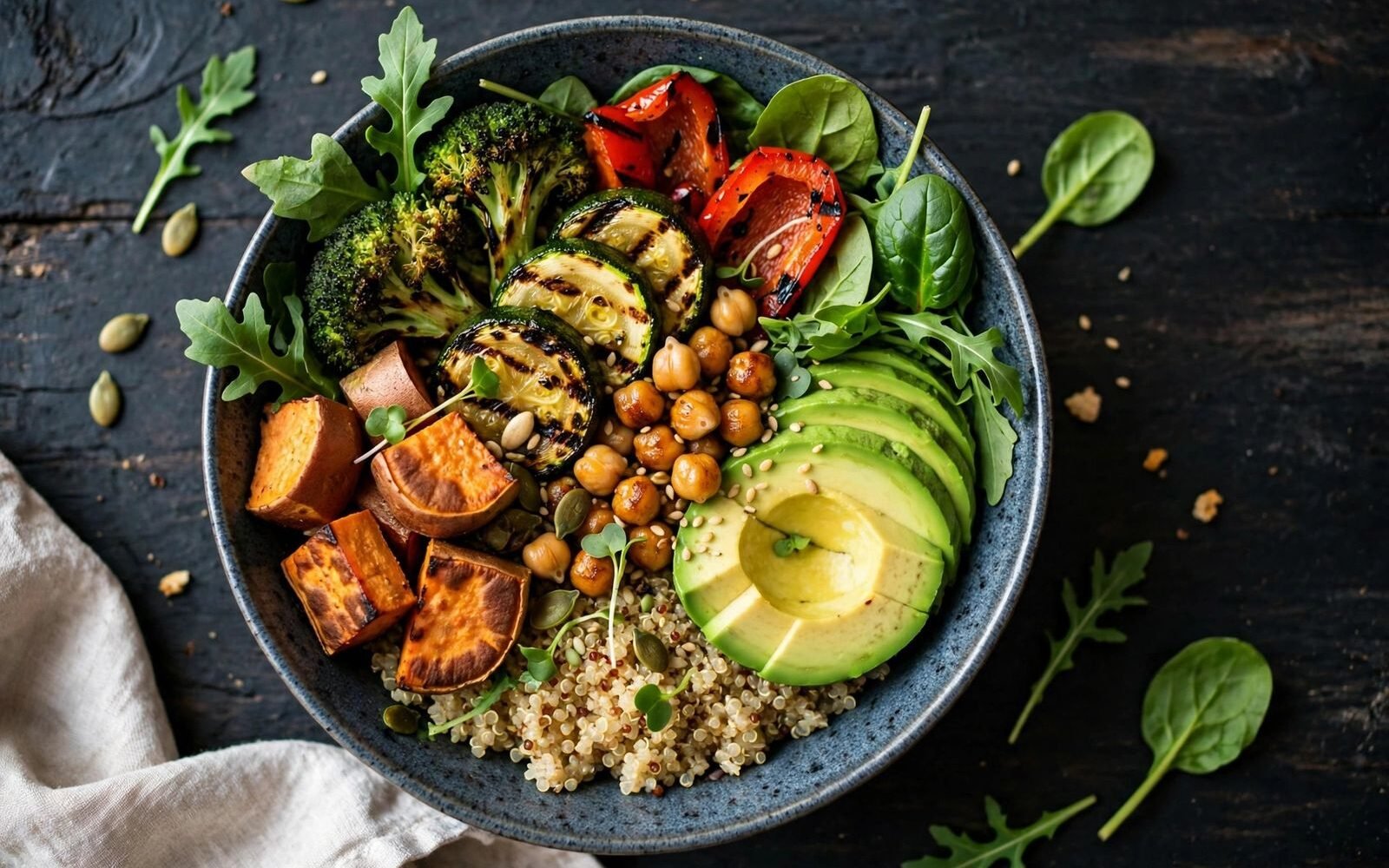
In long-lived communities, roughly 90 percent of the plate is plant-based: vegetables, beans, lentils, whole grains, fruits, nuts and olive oil. Meat appears a few times a month, more as a flavour than a main course. You do not need to become vegetarian to benefit — simply letting plants lead and meat follow already shifts your health in the right direction.
Stop Before You Are Full
The Okinawan practice of eating until you are 80 percent full is a small habit with large effects. It takes the brain about twenty minutes to register fullness, so stopping early simply means stopping on time. Serve smaller portions, eat slowly, and let the table — not the plate — hold the extra food.
Cook at Home, Together
Home cooking quietly controls the three things restaurants overdo: oil, salt and sugar. Just as important, shared meals slow eating down and turn food into connection. In long-lived cultures, eating is a social event, not a refuelling stop — and both body and mind seem to benefit.
Keep It Simple and Seasonal
The longest-lived eaters are not chasing superfoods. They eat what grows near them, in season, prepared simply. Local vegetables, fermented foods, herbal teas and water make up the daily pattern; processed snacks and sugary drinks are rare guests. Boring by marketing standards — extraordinary by results.
One Change at a Time
Do not rebuild your kitchen in a weekend. Add one vegetable to lunch. Swap one sugary drink for water. Cook one more dinner at home each week. Longevity is a direction, not a deadline, and the people who live longest have simply been walking in that direction, one ordinary meal at a time, for decades.