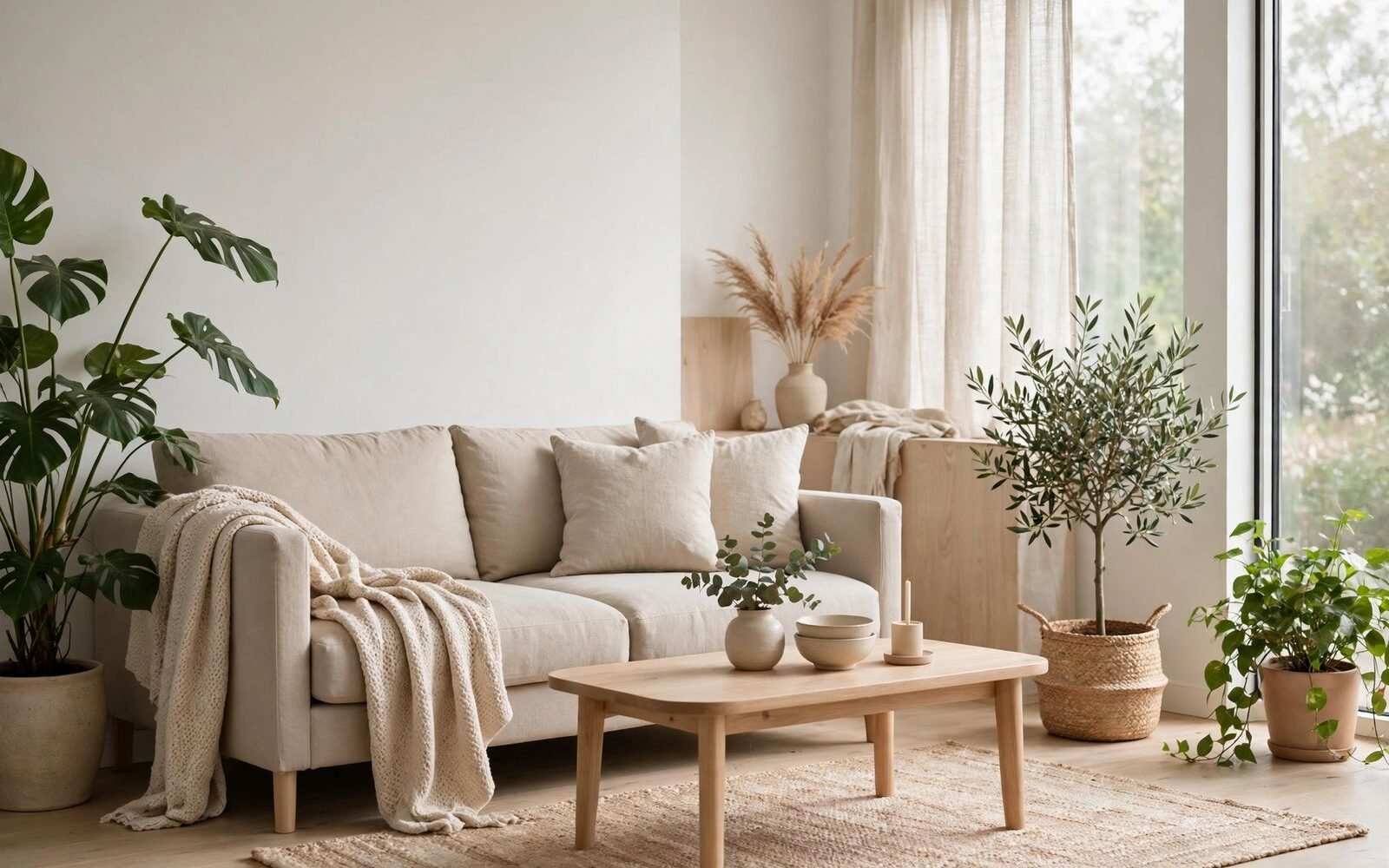
Minimalism is often misunderstood as white walls and empty rooms. In truth, it is not about owning nothing — it is about owning only what earns its place. People who adopt it rarely talk about their possessions afterwards. They talk about their time, their calm and their weekends.
Table of Contents
Every Object Has a Cost Beyond Money
Each item you own charges rent in attention: it must be cleaned, stored, repaired, insured and worried about. A cluttered home quietly taxes your mind every time you look for your keys. Minimalism simply asks, room by room, whether each object is paying its way in usefulness or joy.
Start With One Drawer, Not the Whole House
The gentle method works: one drawer today, one shelf this week, one category this month. Sort into keep, donate and discard, and let the donate box leave the house quickly. Small visible wins build the confidence for bigger decisions — and unlike dramatic purges, the gentle method never ends in regret or rebuying.
Buy Intentionally From Now On
Decluttering without changing buying habits is bailing a boat without plugging the leak. Add friction to purchases: a 48-hour waiting list for anything non-essential, a one-in-one-out rule for clothes and gadgets, and a preference for quality that lasts over quantity that clutters. Most urges expire within two days; the survivors are usually genuine needs.
The Space You Actually Gain
Ask long-term minimalists what changed and they rarely mention the rooms. They mention Saturday mornings without cleaning marathons, money redirected to experiences and savings, and a strange lightness when they walk through their own front door. The goal was never an empty house. It was a full life, with less in the way.