
Ask a room of people where they would travel if money were no object and the answers come fast: a Greek island, a mountain cabin, a street market in Marrakech. Ask the same room who actually took a trip in the last year and the hands drop. For most of us, travel sits in an awkward place — deeply wanted, endlessly postponed, always waiting for a cheaper month, a quieter workload, a better time. The gap between dreaming and going usually closes with stress-free travel habits: a small fund, a few early bookings and a lighter bag.
Table of Contents
- Travel Is a Budget Line, Not a Reward
- Book the Bones Early, Leave the Days Open
- The Shoulder Season Is the Traveller’s Cheat Code
- Pack Less Than You Think You Need
- Protect the Trip From Your Phone
- Start With the Trip Two Hours Away
- Keep Exploring
- Frequently Asked Questions
- How can I make stress-free travel a habit, not a one-off?
- I can only save a very small amount each month — is it honestly enough to go anywhere?
- My job gives me very few days off each year. How do people with limited leave still travel often?
- Is shoulder-season travel genuinely cheaper, or does it just mean worse weather and closed attractions?
- What should I do when a trip starts feeling stressful instead of relaxing?
- How far ahead should I book flights before I am simply overthinking it?
Then there is my friend Sana. She teaches at a primary school, earns an ordinary salary, and has two children under nine — and she has taken four trips in eighteen months. A hill town in spring. A quiet beach in October. A long weekend in a historic city with her sister. A road trip with her parents in a borrowed car. Nobody handed her a fortune. She simply plans differently, in small ways, all year round. Almost every frequent traveller I have met uses some version of the same habits — and none require a big income.
Travel Is a Budget Line, Not a Reward
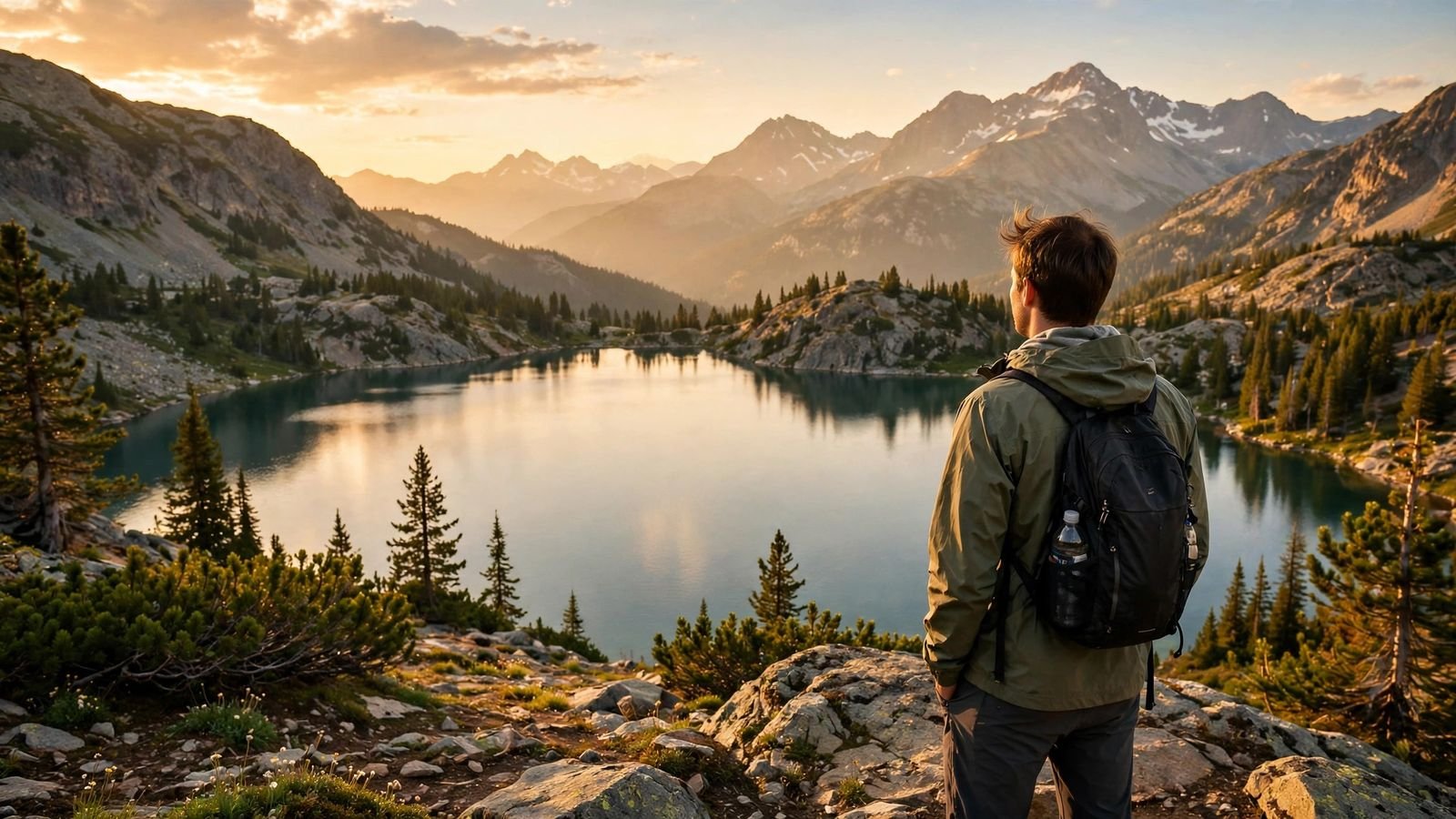
The biggest shift is mental. Most people fund travel from whatever is left at the end of the month, and the honest truth is that nothing is ever left. Rent, groceries, a birthday gift, a car repair — everyday life expands to fill every account it can reach. People who travel regularly do the opposite. They treat travel like a bill they owe themselves, and they pay it first, automatically, before the month has a chance to spend the money on something else.
The amounts are smaller than you think. Sana moves the cost of one family takeaway — roughly what many of us spend on two restaurant meals — into a separate account the day her salary lands. Within a year that habit becomes a real trip: train tickets, four nights in a small hotel, and money left over for the meals she actually remembers. A couple I know saves the price of one streaming subscription and one coffee a week. It adds up to a long weekend every spring, and they guard it fiercely.
Two details make the system work. First, the account is separate and slightly inconvenient to raid — a different bank, or at least a different app — so spending it requires a deliberate decision. Second, it has a name. Call it the place you want to see. Raiding an account called “savings” feels sensible. Raiding one called “Lisbon” feels like stealing from your future self, which is exactly what it is.
Book the Bones Early, Leave the Days Open
Frequent travellers book two things early and almost nothing else: transport and a bed. Flights and trains reward the early buyer, and a well-located place to sleep removes the biggest stress of any trip. Beyond those two anchors, the smartest move is restraint. One anchor activity per day — a museum in the morning, a market before lunch — leaves room for the things no itinerary can predict: the bakery a local recommends, the side street that becomes your favourite photograph, the afternoon you spend doing little.
Overplanning is its own kind of stress. I once watched a couple in Rome attempt fourteen sights in three days, timers running, tempers rising, eating sandwiches while walking because sitting down was not in the schedule. They saw everything and enjoyed almost none of it. Compare that with a traveller who picks one neighbourhood per day and wanders it properly. She comes home with fewer photographs and far better stories.
A simple rule for deciding what to fix in advance:
- Flights, trains and intercity buses — prices climb as seats fill up.
- Your first and last night’s stay, so arrival and departure both feel calm.
- Any attraction that sells out, such as popular museums or limited-entry sites.
- Everything else — meals, day trips, second museums — decided on the day, based on the weather and your mood.
The Shoulder Season Is the Traveller’s Cheat Code
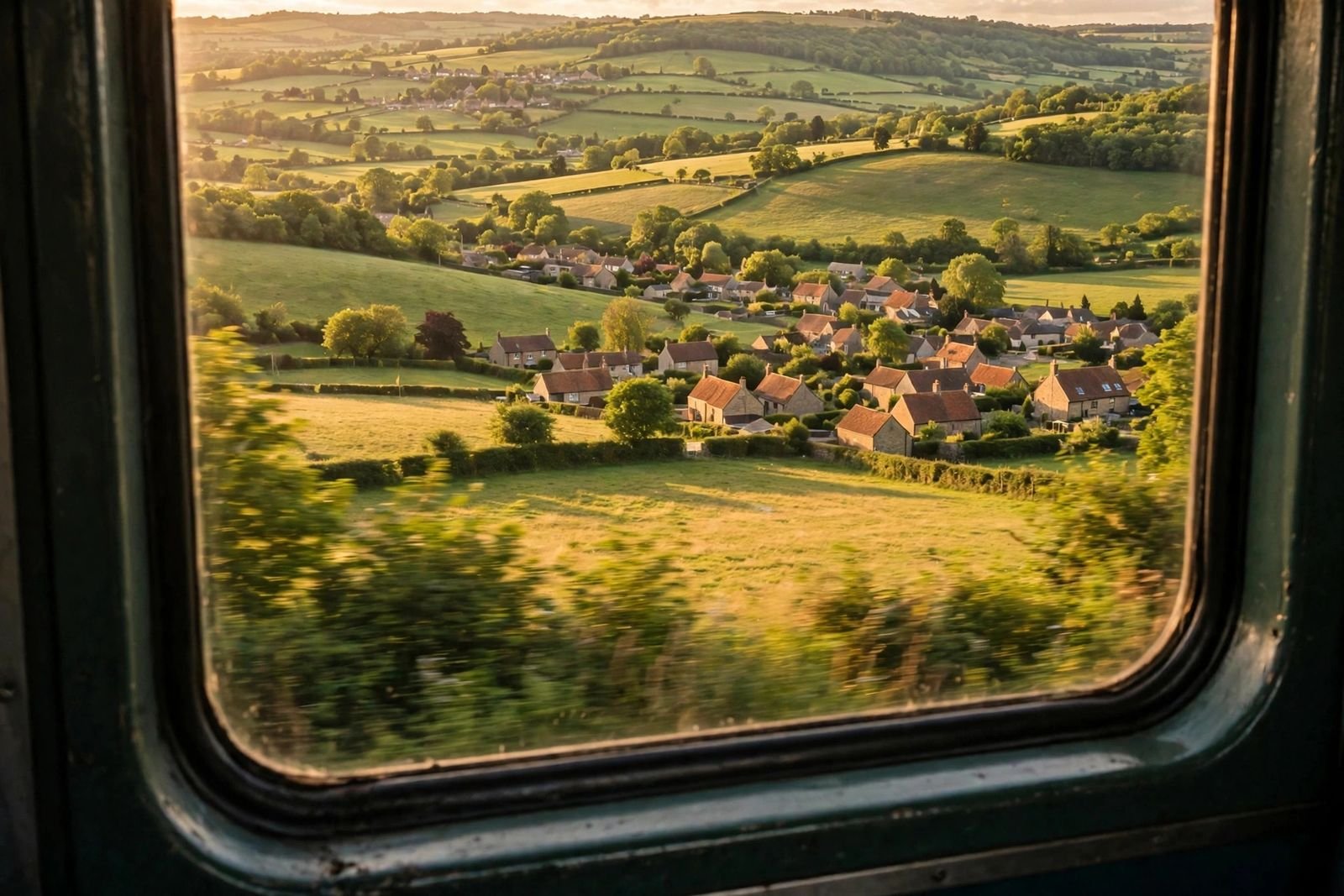
If one change could halve the cost and stress of your trips, it is this: travel in the shoulder season, the weeks just before or just after the peak months. A seaside hotel that charges peak prices in August often drops by a third or more in late September, when the sea is still warm, the light is softer, and the crowds have gone back to work. Mountain towns in May, big cities in early spring, desert destinations in late autumn — nearly every place has a sweet spot the tour buses miss.
The savings are only half of it. Shoulder-season travel means restaurant tables without a queue, museum rooms you can actually stand back in, and locals who have time to talk. I have had a hotel owner upgrade my room simply because half the building was empty, and a guide in a historic old town spend an extra hour with our small group because nobody was waiting behind us. You are not settling for a lesser trip. In many cases you are getting the better version of it.
Not everyone controls their calendar, but even shifting a trip by two weeks — leaving the Friday before a holiday period instead of during it, or coming home on a Tuesday instead of a Sunday — can change both the price and the whole feel of the journey.
Pack Less Than You Think You Need
Heavy luggage is stress you volunteer to carry. Every staircase, cobbled lane, crowded bus and overhead locker becomes a small battle. The travellers who glide through trips share one habit: a single carry-on, with every outfit built from pieces that mix and match. Three tops, two bottoms, one warm layer, shoes already broken in. Everything in two or three colours, so nothing clashes and nothing gets worn once out of guilt.
A few specifics help. Pack for five days even if the trip is ten; a hotel wash or a small laundrette costs less than a checked bag on most budget airlines. Wear your heaviest items on travel days. If you are staying more than a weekend, buy toiletries when you arrive — the small cost buys a lighter bag and one less bottle that can leak over your clothes. And leave a little empty space. You will fill it with something: spices, a book, a ridiculous souvenir you will defend for years.
The deeper benefit is psychological. A light bag makes you mobile, and mobility kills stress. You can change plans, catch an earlier train, walk from the station instead of hunting for a taxi. The trip stays flexible because you are flexible — and that flexibility is what separates a holiday from a logistics exercise.
Protect the Trip From Your Phone
Nothing imports everyday stress into a holiday faster than the phone in your pocket. Work emails, the family group chat arguing about something trivial, news alerts — all of it follows you to the beach unless you stop it at the border. Frequent travellers are not anti-phone. They are deliberate about it. Before leaving, they download maps, tickets and bookings for offline use, so the phone becomes a tool that works perfectly well in aeroplane mode.
Then they set a rhythm. Photos whenever they like — the camera is a joy, not a problem. But messages get one window a day, perhaps over breakfast, and work apps stay closed entirely. A man I once travelled with kept his phone in the hotel safe for three days in the mountains and described it, only half joking, as the most luxurious part of the trip. He noticed things the rest of us missed: the smell of rain coming, the exact colour of the light at six in the evening.
You do not need to be that strict. But decide your phone rules before you leave, not in the moment, because in the moment the phone always wins. A trip remembered by your senses will still be vivid in ten years. A trip documented for an audience mostly lives in a folder you will rarely open.
Start With the Trip Two Hours Away
Here is the part nobody wants to hear: you do not need a passport, a visa, or a long flight to begin. Some of the best training for travel happens close to home. A historic town two hours away. A mountain trail you have driven past for years. A coastal village in the off-season, a night market in the next city, a farm stay an hour from your front door. Nearby trips are cheap and forgiving, and a mistake costs an afternoon instead of a holiday.
They also build the habit, and the habit is the whole game. One small trip teaches you what you actually enjoy — slow mornings or packed days, cities or coastlines, planning or wandering. The next trip gets easier, cheaper, and better matched to your taste. People who wait for the perfect month-long adventure often end up taking no trips at all. People who start with a weekend two hours away tend to be planning their fifth trip within a couple of years.
Keep Exploring
Driving your own route instead? The Ultimate Road Trip Guide for Beginners is the companion piece, and the funding side is covered in Smart Money Habits That Actually Work. For destination ideas, Lonely Planet remains the classic starting point.
Frequently Asked Questions
How can I make stress-free travel a habit, not a one-off?
Treat stress-free travel like a bill you pay yourself: save a small amount monthly, book the bones of a trip early, and choose the shoulder season. Repetition turns travel from an event into a rhythm.
I can only save a very small amount each month — is it honestly enough to go anywhere?
Yes, if the destination matches the budget instead of the other way round. A small monthly amount will not fund a fortnight overseas, but it will comfortably fund a nearby town, an off-season beach, or a countryside break within the year. Start where the money reaches. The travellers who go often are not always the ones who spend most; they are the ones whose plans fit their fund, so the trips actually happen.
My job gives me very few days off each year. How do people with limited leave still travel often?
They attach trips to time they already have. A public holiday on a Friday plus one day of leave becomes a four-day break. A work trip gets one extra night added to the end. They also travel shorter and closer — two nights somewhere two hours away needs no leave at all if you leave after work on Friday. Frequent travellers count trips, not days.
Is shoulder-season travel genuinely cheaper, or does it just mean worse weather and closed attractions?
It is genuinely cheaper — accommodation and transport prices drop because demand drops, not because the place becomes worse. The weather in the weeks just outside peak season is often better than in the peak itself, especially in hot destinations. A few seasonal businesses may be closed, so check the one or two things you care most about before booking. For most trips, that is the only real trade-off.
What should I do when a trip starts feeling stressful instead of relaxing?
Cut the plan in half, immediately. Drop the next anchor activity, eat a proper meal sitting down, and get a full night’s sleep. Trip stress almost never comes from the place; it comes from a schedule with no slack in it, usually combined with hunger and tiredness. Give yourself one completely unplanned day and the trip usually recovers on its own.
How far ahead should I book flights before I am simply overthinking it?
As a rough guide, four to eight weeks ahead works well for short flights, and two to four months for long ones. Set a price alert, book when the price looks fair rather than perfect, and then stop checking. The difference between a good price and the absolute best price is usually small; the hours spent hunting for it are not coming back.
Travel does not reward the richest people you know. It rewards the ones who made it a line in the budget, a date in the calendar, and a habit small enough to repeat. Start the fund this month, even if the first deposit is tiny. Pick the shoulder season. Take the trip two hours away. The list of places in your notes app has waited long enough — and the first small trip is what turns “one day” into a pattern.
